

Advanced 3D imaging
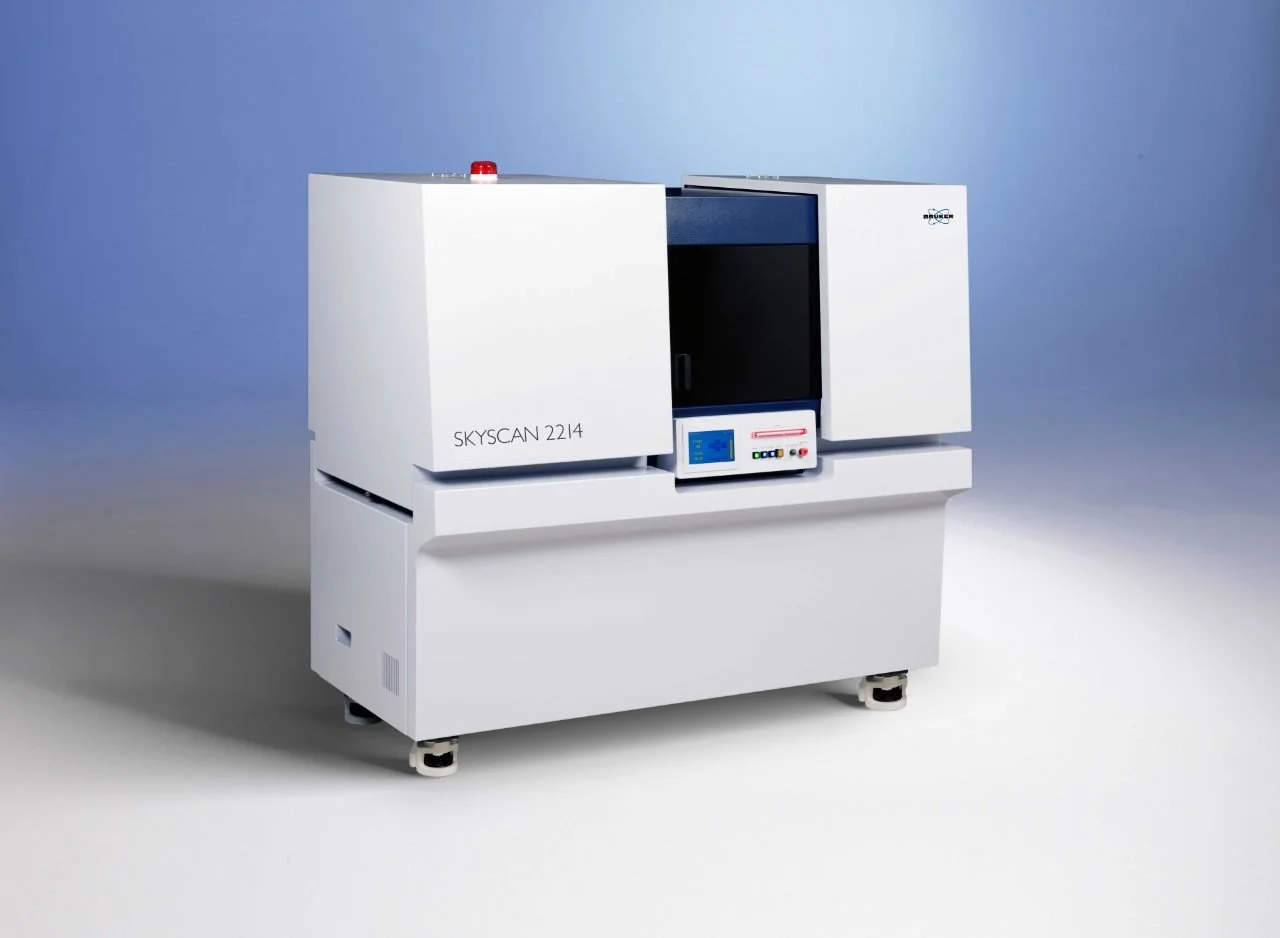
The SkyScan 2214 is an advanced multiscale X-ray Nano-CT system designed for non-destructive three-dimensional imaging of internal structures at submicron and nanoscale resolution. It enables detailed visualization and quantitative analysis of materials, biological tissues, dental specimens, composites, batteries, and engineered components.
Key Features
True 3D spatial resolution below 500 nm
Minimum voxel size of 60 nm
X-ray source range: 20–160 kV
Large sample capacity (up to 300 mm diameter)
Supports multiple detectors for flexible imaging
Non-destructive internal structure analysis
GPU-accelerated reconstruction and advanced 3D visualization software
In-situ testing capabilities (heating, cooling, compression, tensile testing).
Applications
Dental and biomaterial research
Bone and tissue characterization
Additive manufacturing and 3D printing inspection
Composite and fiber analysis
Battery and fuel cell evaluation
Geological and petrochemical studies
Electronics failure analysis
Forensic and paleontological investigations.
Advanced Imaging & Surface Analysis
Product Overview
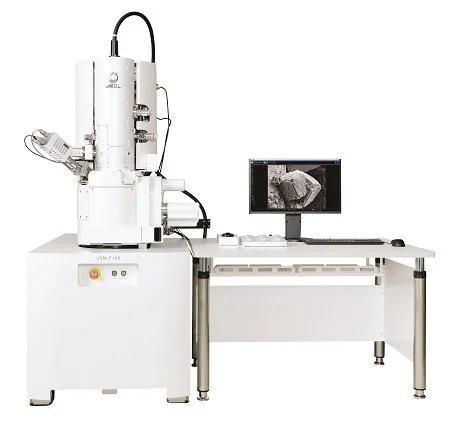
The JEOL JSM-IT800 SHL is a state-of-the-art Field Emission Scanning Electron Microscope (FE-SEM) designed for ultra-high-resolution imaging and microstructural characterization of a wide range of materials. Equipped with advanced field emission technology, the system delivers exceptional surface detail, nanoscale imaging, and analytical capabilities, making it ideal for materials science, biomaterials, nanotechnology, and life science research.
Key Features
High-resolution field emission electron source
Ultra-high magnification imaging
Excellent low-voltage imaging performance
Large specimen chamber for versatile sample accommodation
Automated operation and intelligent navigation
High-depth-of-field imaging
Fast image acquisition and processing
User-friendly graphical interface
Compatible with EDS elemental analysis systems
Advanced imaging modes for detailed surface characterization
Applications
Surface morphology and microstructure analysis
Dental and biomaterials research
Nanomaterials characterization
Failure and fracture analysis
Thin film and coating evaluation
Particle size and shape analysis
Corrosion and wear studies
Semiconductor and electronic materials research
Biological specimen imaging
Additive manufacturing and advanced materials characterization
Technical Capabilities
Nanoscale surface imaging
High-resolution topographical analysis
Elemental composition analysis (with EDS)
Microstructural characterization
Cross-sectional imaging
Particle and pore analysis
Quantitative image analysis
High-vacuum and low-vacuum observation modes
Product Overview
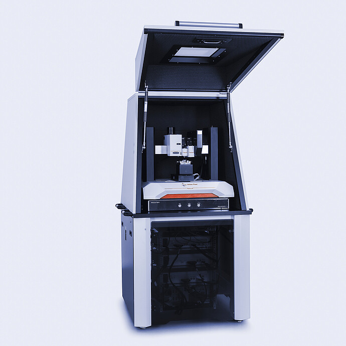
The Anton Paar STEP 700 is an advanced nanomechanical characterization platform that combines Atomic Force Microscopy (AFM) with ultra-nanoindentation and mechanical property mapping capabilities. Integrated with the MCT³, UNHT³, and Nanosurf Nanite AFM modules, the system enables comprehensive analysis of surface topography, roughness, hardness, elastic modulus, adhesion, and nanomechanical behavior at micro- and nanometer scales.
This versatile platform is particularly valuable for biomaterials, dental materials, polymers, coatings, thin films, and advanced material research, providing both morphological and mechanical characterization within a single integrated system.
Key Features
High-resolution Atomic Force Microscopy (AFM)
Three-dimensional nanoscale surface imaging
Ultra Nano Hardness Testing (UNHT³)
Quantitative nanomechanical property mapping
Surface roughness and texture analysis
Elastic modulus and hardness determination
Adhesion and force spectroscopy measurements
High-precision indentation and scratch testing
Non-destructive surface characterization
Automated data acquisition and analysis
Applications
Dental material characterization
Biomaterials and tissue engineering research
Surface roughness evaluation
Nanoindentation and hardness testing
Thin film and coating analysis
Polymer characterization
Nanotechnology and nanomaterials research
Wear and tribological studies
Surface modification assessment
Microstructural and mechanical property evaluation
Technical Capabilities
Nanoscale 3D topographical imaging
Surface roughness measurements (Ra, Rq, Rz)
Ultra-low load nanoindentation
Hardness and elastic modulus determination
Mechanical property mapping
Force-distance curve analysis
Scratch resistance evaluation
Adhesion and deformation studies
Quantitative nanomechanical characterization
Product Overview
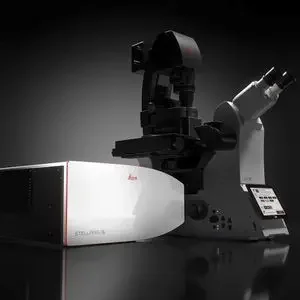
The Leica STELLARIS i5 is a next-generation confocal laser scanning microscope designed for high-resolution fluorescence imaging, live-cell imaging, 3D visualization, and quantitative biological analysis. The system combines spectral detection, photon-counting technology, super-resolution imaging, and fluorescence lifetime-based analysis to provide exceptional image quality and scientific insights.
Key Features
Advanced confocal laser scanning microscopy (CLSM)
High-sensitivity Power HyD detectors with photon-counting capability
Spectral detection for multiplex fluorescence imaging
White Light Laser (WLL) excitation technology
LIGHTNING super-resolution imaging
TauSense fluorescence lifetime imaging tools
Motorized XY stage with automated image acquisition
3D and time-lapse imaging capabilities
Live-cell imaging support with environmental control options
LAS X software for image acquisition, analysis, and visualization
Applications
Cell and tissue imaging
Dental biomaterial characterization
Biofilm and microbial analysis
Surface morphology evaluation
Biomaterials and tissue engineering research
Fluorescence localization studies
Live-cell and developmental biology research
Protein interaction and molecular imaging
Pharmaceutical and biomedical research
Technical Capabilities
Multi-channel fluorescence imaging
Simultaneous detection of multiple fluorophores
Spectral unmixing of overlapping fluorescent signals
Super-resolution imaging beyond conventional confocal limits
Fluorescence Lifetime Imaging (FLIM) support
3D reconstruction and volumetric analysis
Extended spectral detection range up to 850 nm
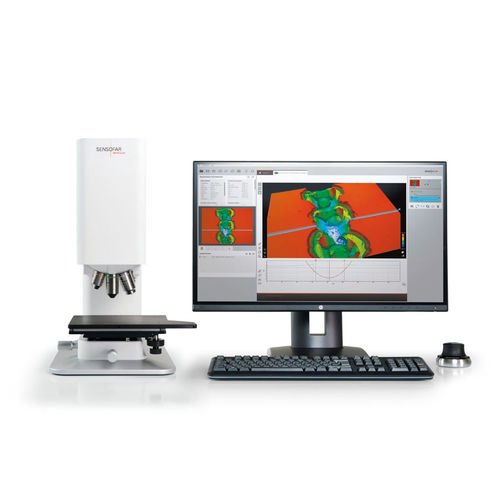
Product Overview
The Sensofar S neox 5-Axis is a state-of-the-art non-contact optical profilometer designed for high-precision surface metrology and three-dimensional surface characterization. Utilizing advanced optical technologies, including confocal microscopy, interferometry, and focus variation, the system provides accurate topographical measurements across micro- and nanoscales. Its unique 5-axis motorized stage enables the analysis of complex geometries and difficult-to-access surfaces with exceptional accuracy.
The S neox is widely used in materials science, dentistry, biomaterials, microelectronics, precision engineering, and industrial quality control for quantitative surface analysis and defect evaluation.
Key Features
Non-contact 3D surface measurement
Integrated confocal, interferometry, and focus variation technologies
High-resolution surface topography imaging
Automated 5-axis motorized positioning system
Nanometer-scale vertical measurement resolution
Large-area surface mapping and stitching
Fast data acquisition and analysis
Quantitative roughness and texture evaluation
Suitable for transparent, reflective, and rough surfaces
Advanced surface metrology software
Applications
Surface roughness analysis
Dental material and restorative material evaluation
Biomaterials characterization
Coating and thin-film assessment
Wear and tribological studies
Microelectronics and semiconductor inspection
Precision manufacturing quality control
Corrosion and degradation analysis
Additive manufacturing research
Surface defect and texture analysis
Technical Capabilities
Three-dimensional surface reconstruction
Surface roughness measurements (Ra, Rq, Rz, Sa, Sq)
Step-height and thickness measurements
Volume and area calculations
Surface waviness and texture analysis
Microstructure and defect evaluation
Large-area stitching and mapping
Quantitative metrology compliant with international standards
Structural & Crystallographic Characterization
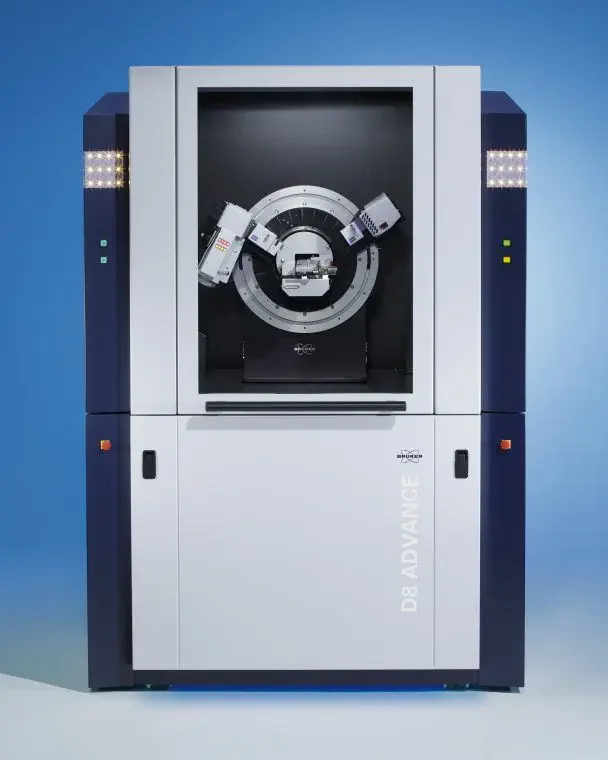
Product Overview
The D8 ADVANCE is a high-performance X-ray diffraction (XRD) system designed for phase identification, quantitative phase analysis, crystal structure determination, residual stress analysis, texture analysis, thin-film characterization, and small-angle X-ray scattering (SAXS). Its modular architecture enables analysis of powders, bulk materials, thin films, fibers, and liquids on a single platform.
Key Features
Advanced X-ray Powder Diffraction (XRD) capabilities
Supports XRD, SAXS, WAXS, and PDF analysis
Automated optics and detector configuration (DAVINCI.DESIGN)
High-precision D8 goniometer with excellent angular accuracy
Dynamic Beam Optimization (DBO) for enhanced data quality
Compatible with multiple detectors, including LYNXEYE XE-T
Automated sample changers for high-throughput analysis
Non-ambient measurements with temperature, humidity, and pressure control options
User-friendly DIFFRAC.SUITE software platform for acquisition and analysis.
Applications
Crystal structure analysis
Phase identification and quantification
Residual stress measurement
Texture analysis
Thin-film characterization
Nanomaterials and advanced materials research
Pharmaceutical analysis
Cement and building materials characterization
Metals and alloys research
Battery and energy-storage materials evaluation
Technical Capabilities
Angular range: <1° to >150° (2θ)
Supports multiple X-ray wavelengths (Cr, Co, Cu, Mo, Ag)
High-speed data acquisition with advanced detectors
Automated switching between diffraction geometries
Suitable for powders, thin films, bulk solids, fibers, and coatings

Thermal analysis
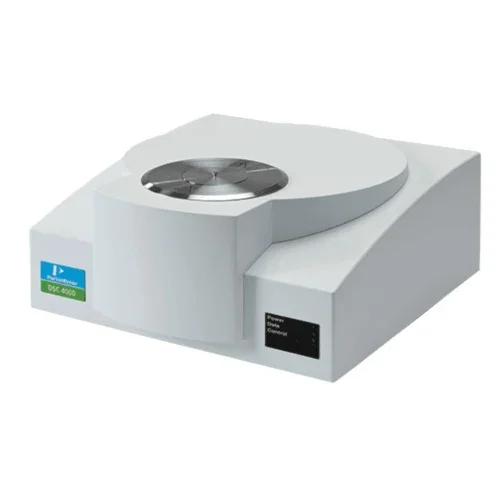
Product Overview
The PerkinElmer DSC 4000 is a high-performance Differential Scanning Calorimeter designed to measure heat flow associated with material transitions as a function of temperature and time. The instrument provides precise analysis of melting, crystallization, glass transition, curing behavior, oxidation, and thermal stability, making it an indispensable tool for material characterization, research, and quality control.
The DSC 4000 is widely used in polymer science, biomaterials, pharmaceuticals, dental materials, nanotechnology, and advanced materials research to understand the thermal properties and phase transitions of materials.
Key Features
High-sensitivity heat flow measurement
Excellent temperature accuracy and reproducibility
Rapid heating and cooling capabilities
Wide operating temperature range
Automated data acquisition and analysis
Precise detection of thermal transitions
Controlled atmosphere operation
User-friendly thermal analysis software
Reliable and reproducible results
Suitable for research and industrial applications
Applications
Glass transition temperature (Tg) determination
Melting and crystallization studies
Polymer characterization
Biomaterial and dental material analysis
Curing and crosslinking behavior evaluation
Phase transition studies
Pharmaceutical thermal characterization
Thermal stability assessment
Nanomaterial research
Quality control and product development
Technical Capabilities
Heat flow measurement as a function of temperature and time
Glass transition (Tg) analysis
Melting temperature (Tm) determination
Crystallization behavior evaluation
Enthalpy measurement
Cure kinetics analysis
Oxidation induction studies
Thermal event characterization
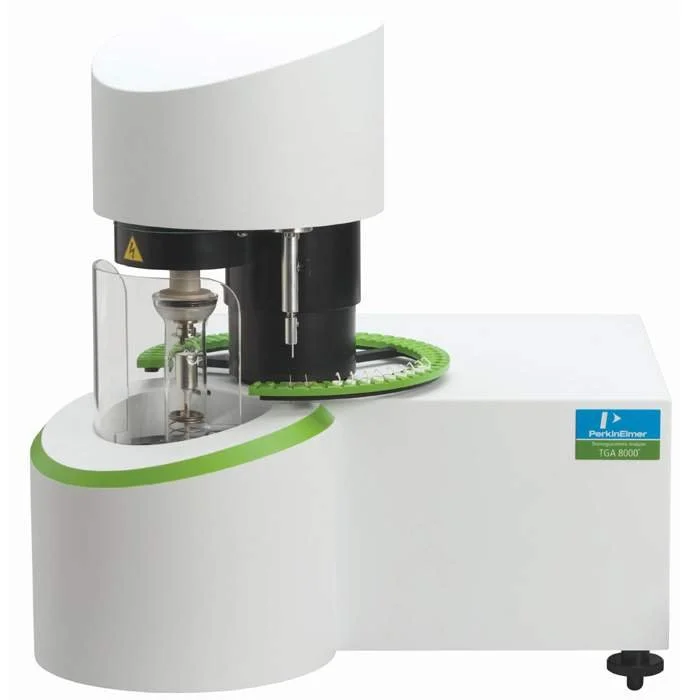
Product Overview
The PerkinElmer TGA 8000 is a high-performance Thermogravimetric Analyzer designed to measure changes in material weight as a function of temperature and time under controlled atmospheric conditions. The system provides precise information on thermal stability, composition, decomposition behavior, moisture content, oxidation resistance, and filler content, making it an essential tool for advanced materials characterization and quality control.
The TGA 8000 is widely used in materials science, polymers, pharmaceuticals, biomaterials, nanomaterials, and industrial research to evaluate the thermal behavior and compositional properties of a wide range of materials.
Key Features
High-sensitivity thermogravimetric measurements
Excellent temperature accuracy and stability
Automated sample analysis and data acquisition
Controlled inert and reactive gas environments
Wide temperature operating range
Precise mass-loss and decomposition analysis
High-resolution thermal stability evaluation
Advanced software for thermal data interpretation
Reliable and reproducible results
Suitable for research and quality control applications
Applications
Thermal stability assessment
Material decomposition studies
Moisture and volatile content determination
Polymer and composite characterization
Biomaterial and dental material research
Filler and ash content analysis
Oxidation and degradation studies
Pharmaceutical thermal analysis
Nanomaterial characterization
Quality control and product development
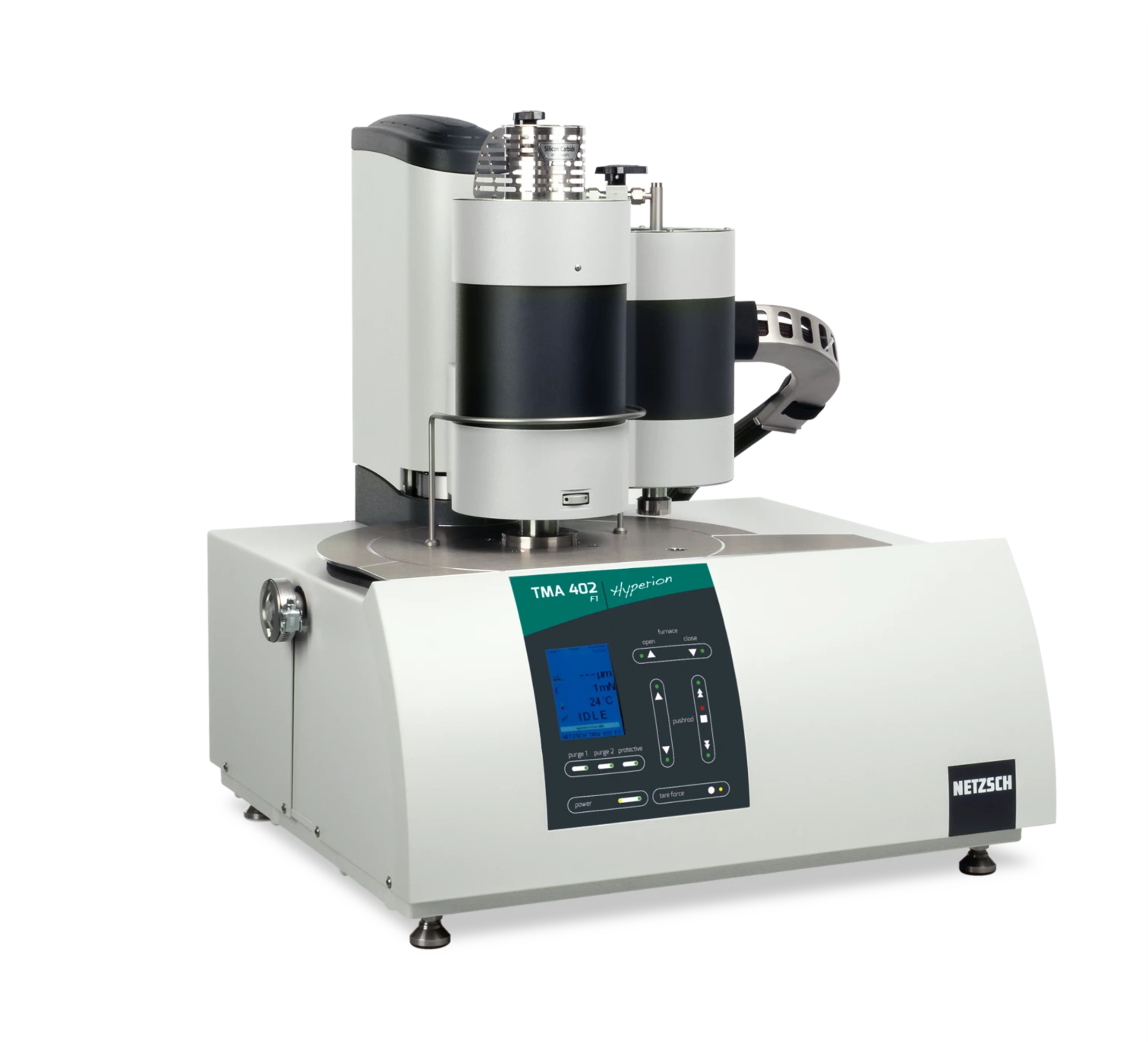
Product Overview
The NETZSCH TMA 402 F3 Hyperion® is a high-precision Thermomechanical Analyzer designed to measure dimensional changes of materials as a function of temperature, time, and applied force. The system provides accurate characterization of thermal expansion, shrinkage, softening behavior, glass transition, and viscoelastic properties, making it an essential instrument for advanced materials research and quality control.
The TMA 402 F3 Hyperion® is widely used for the characterization of polymers, composites, ceramics, metals, biomaterials, dental materials, and electronic components, helping researchers understand material behavior under thermal and mechanical loads.
Key Features
High-precision thermomechanical measurements
Wide temperature operating range
Multiple measurement modes for diverse applications
Automated force control and displacement measurement
High-resolution expansion and contraction analysis
Sensitive detection of glass transition temperatures
Controlled atmosphere operation
Excellent temperature accuracy and reproducibility
User-friendly Proteus® software for data acquisition and analysis
Suitable for research and industrial quality control
Applications
Coefficient of Thermal Expansion (CTE) determination
Dimensional stability studies
Glass transition temperature (Tg) analysis
Softening and deformation behavior evaluation
Polymer and composite characterization
Dental and biomaterial research
Ceramic and metal analysis
Thin film and coating evaluation
Electronic packaging material testing
Quality control and product development
Technical Capabilities
Thermal expansion and contraction measurements
Coefficient of Thermal Expansion (CTE) determination
Penetration and softening point analysis
Dilatometric measurements
Shrinkage and swelling studies
Glass transition detection
Viscoelastic property evaluation
Creep and stress-relaxation investigations
Spectroscopy & Optical Characterization
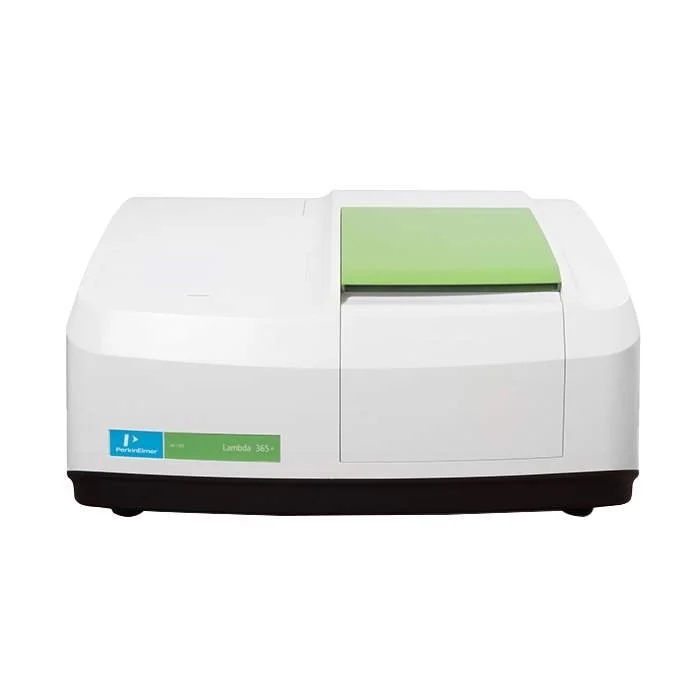
The PerkinElmer LAMBDA 365+ is a high-performance UV–Visible spectrophotometer suitable for the optical characterization of solid, powder, thin-film, and liquid samples. With a diffuse reflectance setup, it enables the evaluation of the optical properties of materials through reflectance and absorbance measurements.
Key Features
UV–Visible spectral analysis
Diffuse Reflectance Spectroscopy (DRS)
High photometric accuracy and wavelength precision
Reflectance and absorbance measurements
Suitable for powders, solids, films, and other material forms
Automated wavelength scanning and data acquisition
Advanced software for spectral analysis
Reliable and reproducible optical measurements
Applications
Optical band-gap determination
Diffuse reflectance analysis
Nanomaterial characterization
Semiconductor and photocatalytic materials
Dental and biomaterial research
Pigments and coatings
Thin-film characterization
Polymer and composite materials
Optical property evaluation
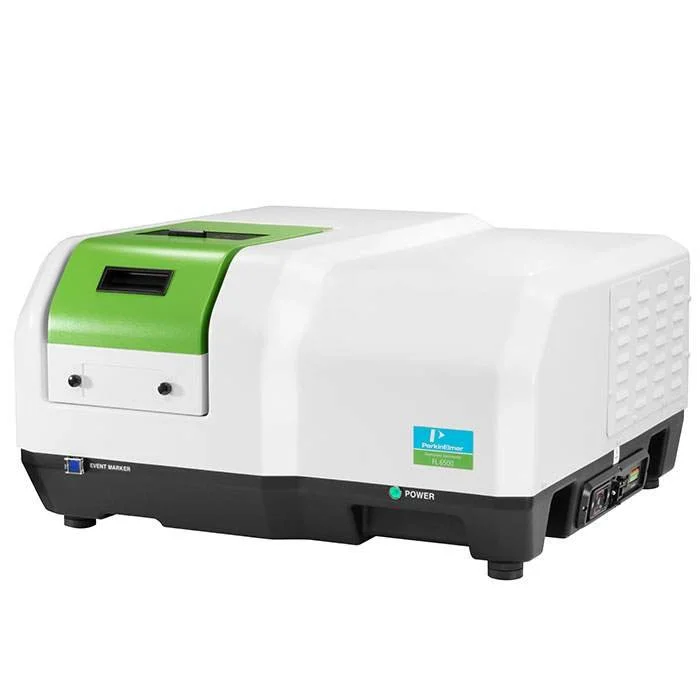
Product Overview
The PerkinElmer FL 6500 is a high-performance fluorescence spectrophotometer designed for sensitive measurement of fluorescence and luminescence from a wide range of samples. It enables quantitative and qualitative analysis of fluorescent materials, biological molecules, pharmaceuticals, nanomaterials, and advanced materials.
Key Features
High-sensitivity fluorescence detection
High-performance monochromators for excitation and emission
Wide wavelength range for fluorescence measurements
Excellent signal-to-noise performance
Steady-state fluorescence measurements
Emission and excitation spectral analysis
Time-dependent fluorescence measurements
Temperature-controlled measurement options
Advanced fluorescence analysis software
Suitable for solid, liquid, and biological samples
Applications
Fluorescence emission and excitation studies
Photoluminescence characterization
Nanomaterial and quantum-dot analysis
Biomolecular and biological fluorescence studies
Pharmaceutical research
Dental and biomaterial research
Photocatalysis and optical materials
Fluorescent probe and dye analysis
Energy-transfer and molecular interaction studies
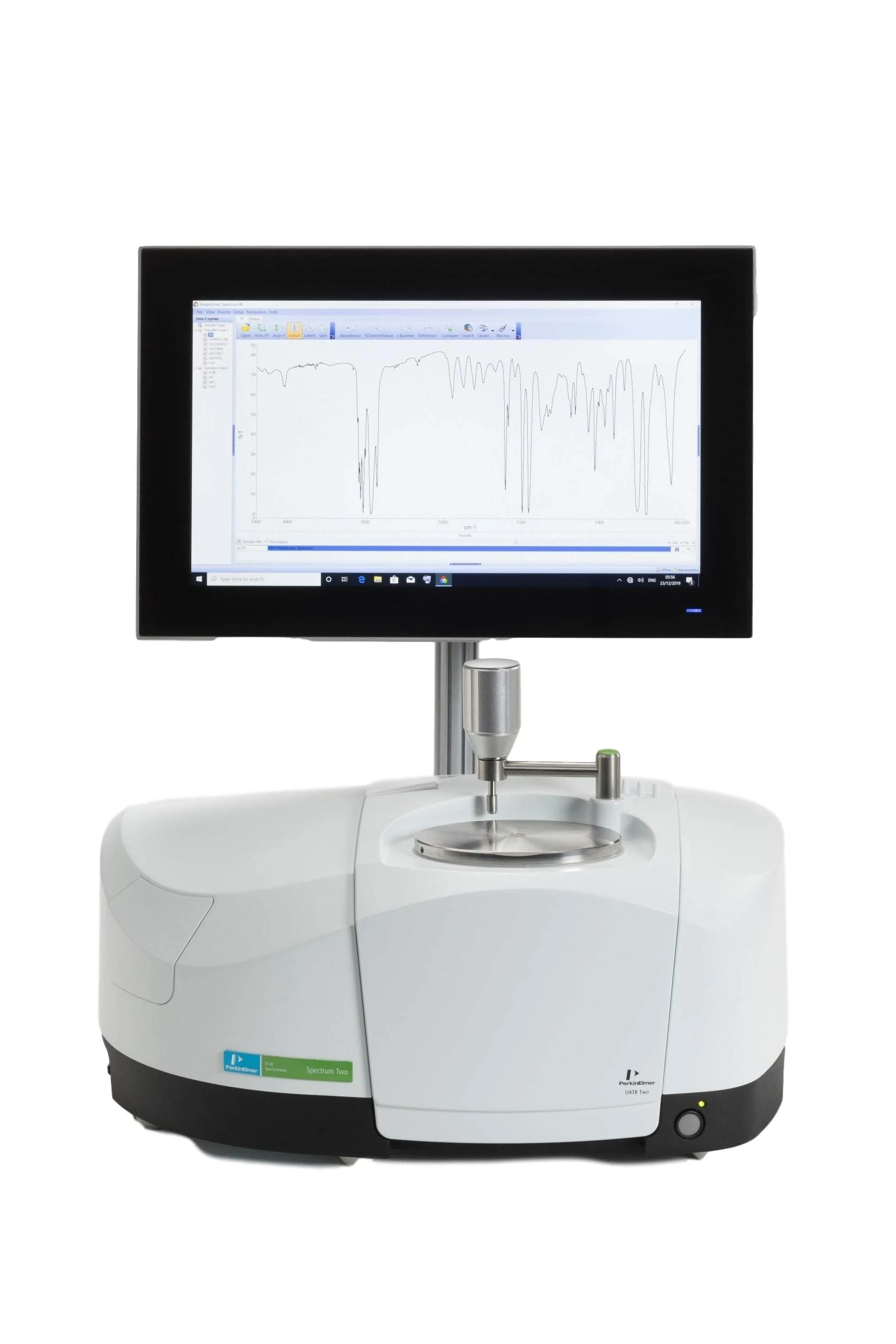
The PerkinElmer Spectrum Two™ is a high-performance Fourier Transform Infrared (FTIR) Spectrometer designed for rapid and accurate identification of chemical compounds, molecular structures, and functional groups. The instrument provides qualitative and quantitative analysis through infrared spectroscopy, making it an essential tool for materials characterization, pharmaceutical analysis, biomaterials research, and quality control.
The Spectrum Two™ offers exceptional sensitivity, reliability, and ease of use, enabling researchers to analyze solids, liquids, powders, films, and gels with minimal sample preparation.
Key Feature
High-resolution Fourier Transform Infrared spectroscopy.
Rapid qualitative and quantitative analysis.
Wide spectral range with excellent signal-to-noise ratio.
ATR (Attenuated Total Reflectance) compatibility for direct sample analysis.
Minimal sample preparation.
Automated data acquisition and processing.
High sensitivity and spectral reproducibility.
Compact and robust design.
User-friendly Spectrum™ software.
Comprehensive spectral library support.
Applications
Functional group identification.
Chemical composition analysis.
Dental and biomaterial characterization.
Polymer and composite analysis.
Pharmaceutical quality control.
Organic and inorganic material identification.
Thin film and coating analysis.
Reaction monitoring.
Contaminant and impurity detection.
Research and product development.
Chemical , molecular & Particle Characterization
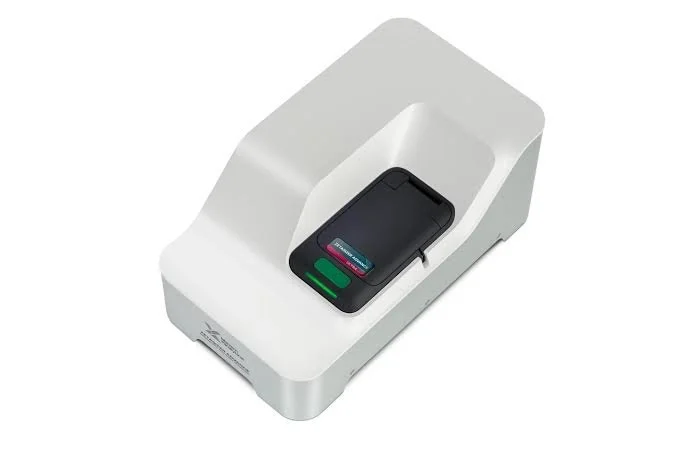
Product Overview
The Malvern Panalytical Zetasizer is an advanced particle characterization system designed for the measurement of particle size, zeta potential, and colloidal stability of dispersed materials. It is widely used for characterizing nanoparticles, colloids, suspensions, emulsions, polymers, and biomaterials.
The system provides rapid and reliable information on particle size distribution and surface charge, helping researchers understand dispersion stability, aggregation, and interactions between particles and their surrounding medium.
Key Features
Dynamic Light Scattering (DLS) for particle size measurement
Electrophoretic light scattering for zeta potential measurement
High sensitivity for nanoscale particle characterization
Particle size distribution analysis
Surface charge characterization
Rapid and reproducible measurements
Small sample volume requirements
Suitable for aqueous and various dispersed systems
Advanced software for data acquisition and analysis
Applications
Nanoparticle characterization
Particle size distribution analysis
Zeta potential measurement
Colloidal stability studies
Polymer and nanocomposite research
Drug delivery and pharmaceutical formulations
Biomaterials and dental materials
Liposomes and vesicle characterization
Emulsion and suspension analysis
Aggregation and dispersion studies
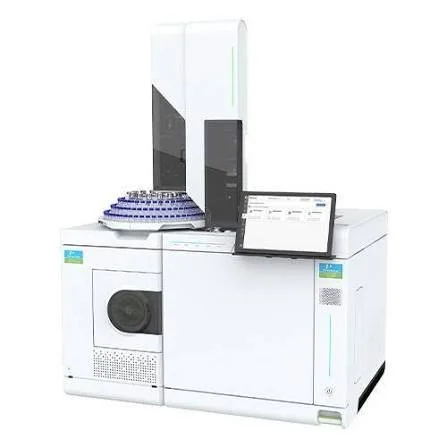
Product Overview
The PerkinElmer GC 2400 – MS 2400 SQ T is an advanced Gas Chromatography–Mass Spectrometry system designed for the separation, identification, and analysis of volatile and semi-volatile compounds. By combining gas chromatographic separation with mass spectrometric detection, the system provides qualitative and quantitative information for complex chemical mixtures.
It is suitable for research applications involving chemical profiling, compound identification, impurity analysis, degradation studies, and characterization of extracts and formulations.
Key Features
Gas chromatographic separation coupled with mass spectrometric detection
Single-quadrupole mass spectrometry
High-quality compound identification
Qualitative and quantitative analysis
Analysis of complex mixtures
Automated sample handling capabilities
Comprehensive chromatographic and mass spectral data analysis
Library-based compound identification
High sensitivity and reproducibility
Applications
Volatile and semi-volatile compound analysis
Chemical composition profiling
Identification of unknown compounds
Essential oil and plant extract analysis
Pharmaceutical and formulation research
Degradation and impurity analysis
Residual solvent analysis
Biomaterial and polymer degradation studies
Environmental and food-related chemical analysis
Rheological & Mechanical Characterization
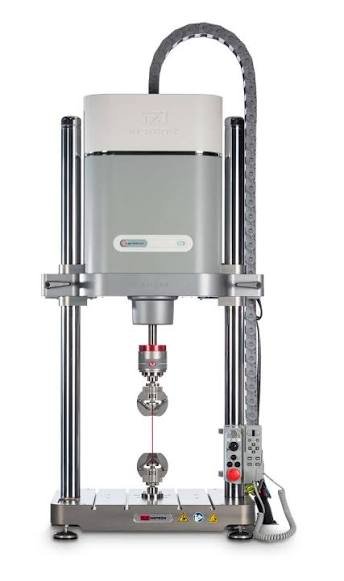
Product Overview
The Instron ElectroPuls E3000 is an advanced electrodynamic materials testing system designed for dynamic and fatigue testing of materials and components. It enables researchers to evaluate mechanical behavior under cyclic, fatigue, tensile, compression, and other controlled loading conditions.
The system is particularly suitable for dental materials, biomaterials, polymers, composites, medical devices, and engineering materials where understanding fatigue life and mechanical performance under repeated loading is essential.
Key Features
Electrodynamic testing technology
Dynamic and fatigue testing capabilities
Precise force and displacement control
Tensile and compression testing
Cyclic loading and fatigue testing
Programmable test waveforms
High-frequency dynamic testing
Automated data acquisition and analysis
Interchangeable grips and fixtures
Precise control of test parameters
Applications
Fatigue testing
Cyclic loading studies
Tensile and compression testing
Dental material fatigue evaluation
Biomaterial mechanical characterization
Polymer and composite testing
Medical device testing
Implant and prosthetic component evaluation
Fracture and failure studies
Mechanical durability assessment
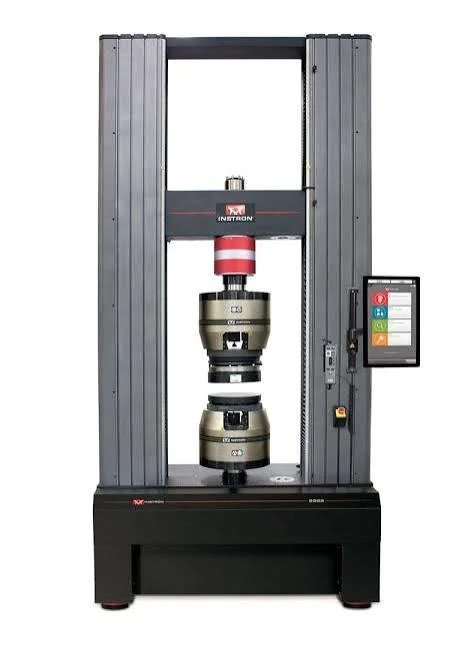
Product Overview
The Instron 68FM-300 is a high-capacity universal testing system designed for mechanical characterization of materials under controlled loading conditions. It can be used to evaluate tensile, compression, flexural, and other mechanical properties, providing reliable data on material strength, stiffness, deformation, and failure behavior.
Key Features
High-capacity mechanical testing
Precise load and displacement measurement
Tensile and compression testing
Flexural and bending testing
Programmable testing methods
Automated data acquisition and analysis
Interchangeable grips and fixtures
High repeatability and measurement accuracy
Applications
Tensile strength testing
Compressive strength testing
Flexural strength and modulus
Stress–strain analysis
Fracture and failure evaluation
Dental material testing
Biomaterial characterization
Polymer and composite testing
3D-printed material evaluation
Adhesive and bonding strength studies
Product Overview
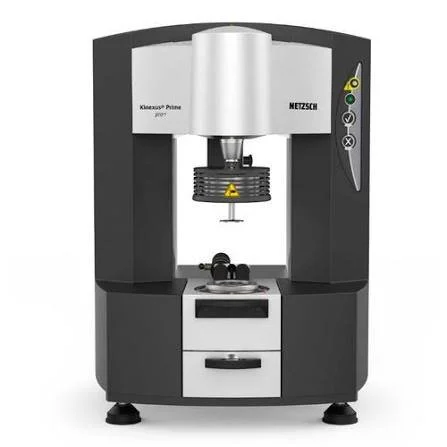
The NETZSCH Kinexus Pro+ is an advanced rotational rheometer designed for comprehensive characterization of the flow and viscoelastic properties of liquids, suspensions, pastes, gels, polymers, and other complex materials. It enables precise measurement of material behavior under controlled stress, strain, shear rate, and temperature conditions.
The system is particularly suitable for research involving formulations, polymers, hydrogels, biomaterials, dental materials, and other soft or complex materials.
Key Features
Advanced rotational rheological characterization
Precise control of stress, strain, and shear rate
Wide range of rheological measurement modes
Temperature-controlled measurements
High sensitivity for low-viscosity and structured materials
Oscillatory testing for viscoelastic characterization
Steady-state and transient flow measurements
Automated data acquisition and analysis
Modular measurement geometries and accessories
Applications
Viscosity and flow behavior analysis
Polymer and hydrogel characterization
Dental material and biomaterial research
Formulation development
Gelation and curing studies
Viscoelastic property evaluation
Thixotropy and recovery studies
Yield stress determination
Suspension and emulsion characterization
Temperature-dependent rheological studies
Hardness Testing
Product Overview
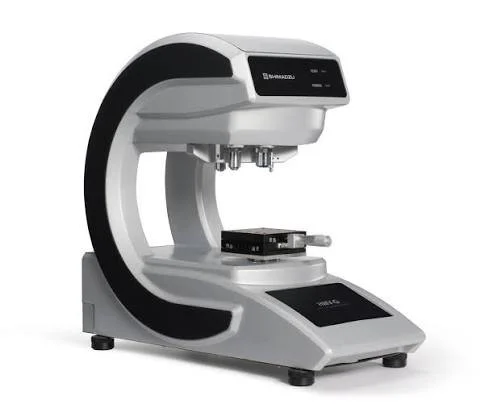
The Shimadzu HMV-G Series is a precision microhardness testing system designed for evaluating the hardness and mechanical response of small, thin, or surface-treated materials. It supports accurate Vickers and Knoop hardness measurements and is suitable for research and quality-control applications involving metals, ceramics, polymers, dental materials, coatings, and biomaterials.
Key Features
Vickers and Knoop microhardness testing
High-precision indentation measurement
Automated or semi-automated measurement capabilities
High-resolution optical observation system
Precise load application and control
Suitable for small and thin specimens
Multiple load ranges for different material types
Automated indentation measurement and hardness calculation
Digital image-based analysis
Applications
Dental material hardness evaluation
Biomaterial characterization
Vickers hardness testing
Knoop hardness testing
Surface-treated material analysis
Coating and thin-film characterization
Polymer and composite material testing
Ceramic and metallic material analysis
Hardness variation and depth-profile studies
Research and quality control
Color Analysis
Product Overview:
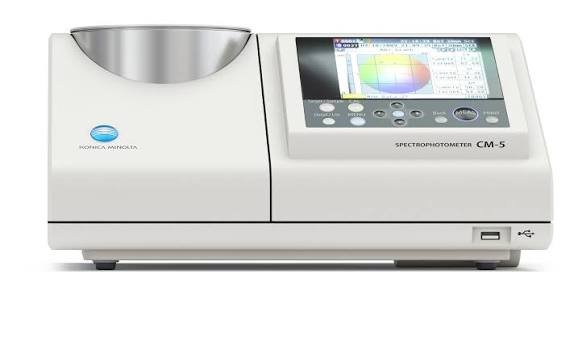
The Konica Minolta CM-5 is a benchtop spectrophotometer designed for precise measurement of colour and optical properties of solid, liquid, and translucent samples. It provides reliable and reproducible colour measurements for research, material characterization, and quality evaluation.
Key Applications:
Colour measurement and characterization
CIE L*a*b* and ΔE analysis
Surface colour evaluation
Stain and discolouration assessment
Dental material and biomaterial characterization
Polymer, ceramic, coating, and formulation analysis
Comparative colour stability studies